How to Decide if Dance Is Sport or Art
You can decide if dance is a sport or art by looking at its physical demands and creative expression. Dance requires athletic skill, endurance, and technical precision like sports.
But it also conveys emotions and stories through artistic performance.
Competitions judge both technique and emotional impact, blending sport and art. Understanding dance’s cultural roots and competitive nature reveals its unique dual identity.
If you want to explore this blend more deeply, there’s plenty to uncover beyond the basics.
Key Takeaways
- Assess dance’s physical demands like endurance, strength, and technical skills comparable to athletic sports.
- Evaluate the artistic expression and emotional storytelling conveyed through choreography and performance.
- Consider the presence of competitions judging technical skill, choreography, and emotional impact similar to sports.
- Reflect on dance’s cultural significance and role in preserving and expressing social and artistic heritage.
- Recognize dance as a unique blend combining athleticism, creativity, resilience, and cultural identity.
Understanding the Physical and Artistic Elements of Dance
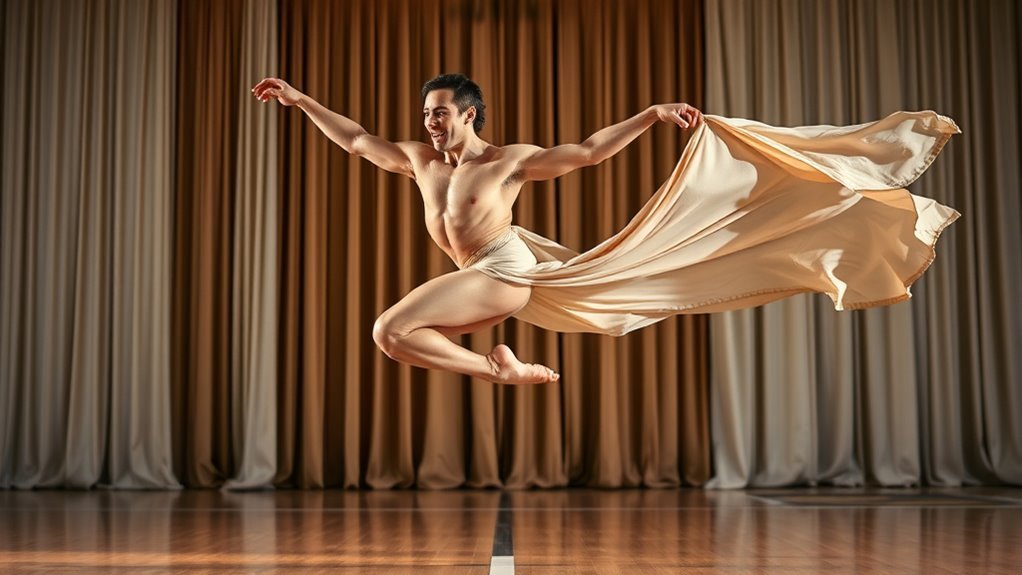
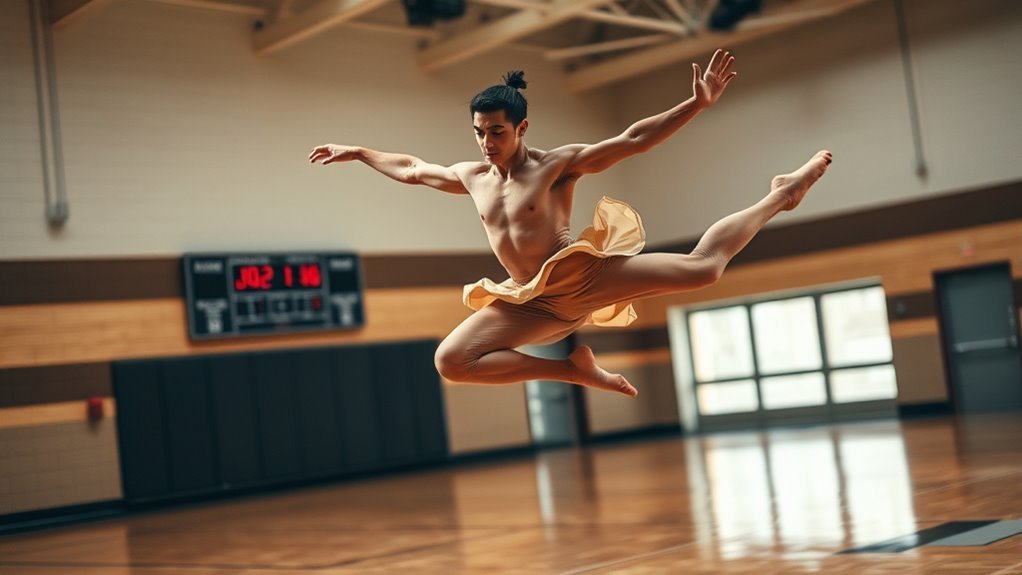
Although you might think of dance primarily as an art form, it demands physical endurance, strength, and technical skill on par with many sports. You need impressive physical endurance to perform intricate routines for extended periods without losing energy or precision.
Your technical skills must be sharp to execute choreographed movements flawlessly, maintaining high performance quality throughout. Beyond physical effort, dance thrives on artistic expression, allowing you to convey emotions and stories that go beyond mere movement.
This blend of athleticism and creativity means you’re not just a performer but also a storyteller. Even when facing injuries, dancers push through, demonstrating resilience comparable to athletes.
Understanding these physical and artistic elements helps you appreciate dance’s unique position between sport and art.
Exploring the Competitive and Cultural Dimensions of Dance
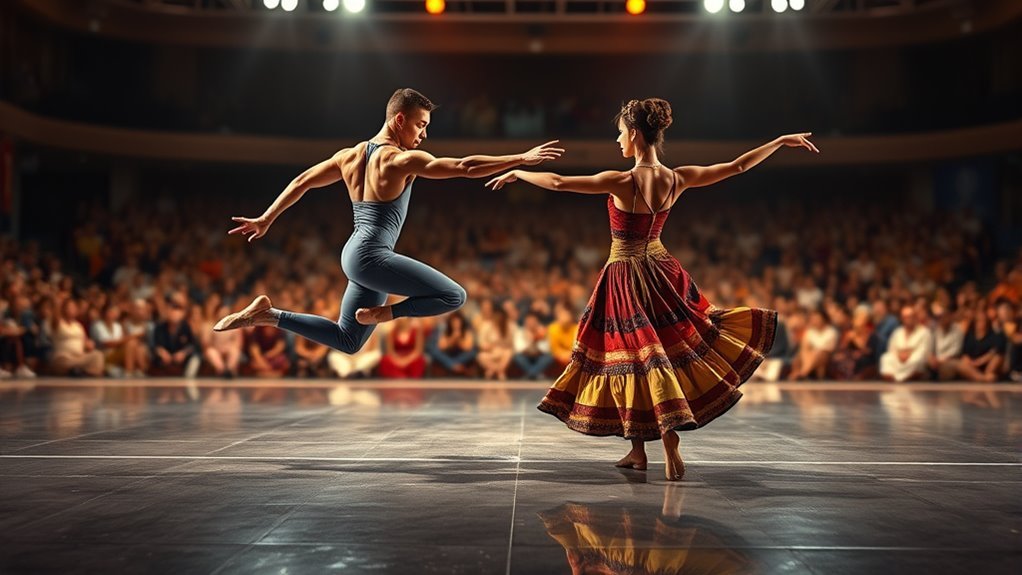
Beyond the physical and artistic demands, dance thrives in competitive arenas where your technical skill, choreography, and emotional expression all come under scrutiny. This blend of performance quality and emotional impact mirrors how sports evaluate athletes, reinforcing dance’s position as both sport and art.
At the same time, dance carries deep cultural significance, reflecting identities and social values through diverse styles like ballet and folk dance. When you compete, you engage in a pursuit of excellence that’s as rigorous as any sport, yet you also honor artistic expression rooted in tradition.
- Judging criteria combine technical skill and artistic expression
- Rankings and awards highlight sport-like competition
- Dance styles represent cultural diversity and heritage
- Cultural significance enriches dance beyond contests
Frequently Asked Questions
Is Dance Considered Art or Sport?
Dance is both art and sport. You’ll find it expresses creativity and emotion like art, yet demands physical skill and endurance like sport.
How you view it depends on the style, purpose, and context of the performance. It’s kind of a mix, really, blending the best of both worlds.
What Qualifies Dance as a Sport?
Imagine running a marathon while performing flawless moves—that’s what dance demands.
You’ve got to have stamina, skill, and precision, just like any athlete.
It proves dance qualifies as a sport through physical rigor and competitive structure.
Why Isn’t Dance Considered a Sport?
Dance isn’t considered a sport because you focus more on artistic expression than strict competition. You lack standardized rules and objective scoring, making judging subjective and emotional.
That really separates dance from recognized sports that have clear regulations and criteria. So, it’s more about creativity and feeling than just winning or losing.
Is Ballerina a Sport or Art?
You’ll see ballerina is both sport and art; you push your body like an athlete while expressing emotion like an artist.
You don’t just perform moves—you tell stories with strength and grace, blending both worlds beautifully.
Conclusion
Now that you’ve explored both the physical demands and artistic expression in dance, you can see why it blurs the line between sport and art. Did you know that professional dancers burn up to 600 calories per hour? That rivals many athletes!
So, whether you view dance as a rigorous workout or a creative performance, it’s clear dance challenges your body and soul. This unique combination makes dance truly special in its dual identity.
In conclusion, deciding if dance is a sport or art depends on how you look at it. Dance involves athleticism, strength, and endurance like a sport, but it also embraces creativity, expression, and storytelling like art. This blend of physicality and emotion is what sets dance apart, making it a powerful form that celebrates both the body and the spirit.