What Is Functional Art and How Do You Create It?
Functional art blends practical needs with artistic design, turning everyday objects into beautiful, usable pieces. It’s all about creating items that serve a purpose while looking great.
This style makes sure your art isn’t just for show—it’s genuinely functional and stylish.
You create it by identifying real-life functions and choosing durable materials like wood or metal. Skilled craftsmanship is key here, balancing aesthetics and utility.
Texture, color, and lighting add character without overwhelming the piece.
Keeping things simple and harmonious is important. When you bring these elements together skillfully, your work becomes both visually appealing and genuinely useful.
Interested in exploring how to master this balance? There’s plenty more to discover!
Key Takeaways
- Functional art combines aesthetic beauty with practical use in everyday objects like furniture, ceramics, and lighting. It’s all about making things that look great but also serve a purpose.
- Plus, it reflects cultural values and craftsmanship, showing that utility and artistic expression can coexist seamlessly. It’s pretty cool how art and function come together like that.
- When you create functional art, you start by identifying real practical needs or daily activities to address through design. Think about what people actually use and need.
- Then, select durable, high-quality materials such as wood or metal to balance longevity with visual appeal. You want it to last and look good at the same time.
- Finally, apply skilled craftsmanship and thoughtful use of texture, color, and lighting to harmonize function with artistry. That’s what makes the piece truly special.
Understanding the Concept and Importance of Functional Art
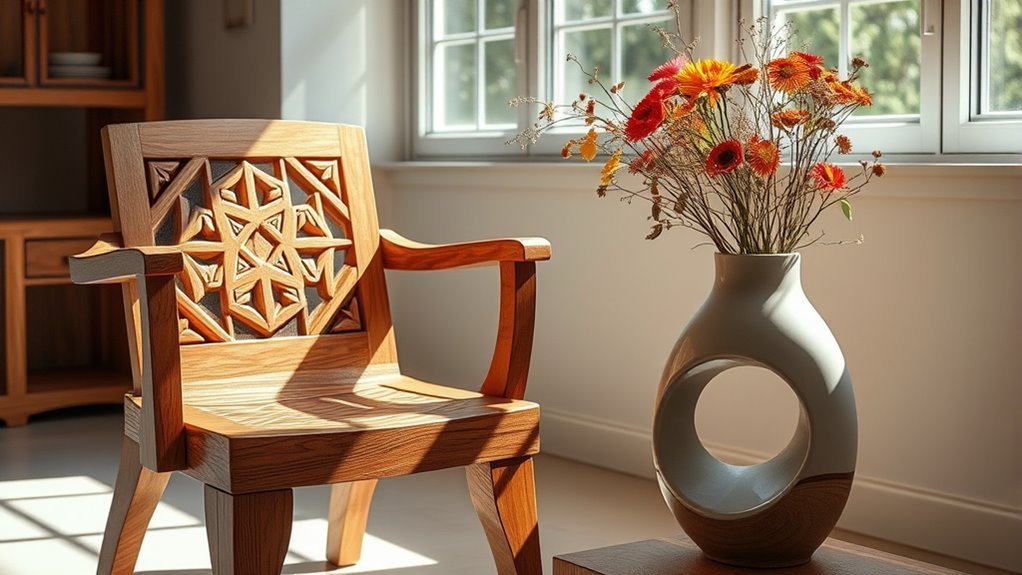
Although you might not always notice it, functional art surrounds you by combining beauty with practicality. When you interact with everyday objects—whether furniture, ceramics, or lighting—you’re engaging with pieces where design meets utility.
Functional art isn’t just about looks; it highlights craftsmanship that enhances an object’s usefulness without sacrificing artistic expression. Its roots trace back to traditional crafts and reflect cultural context, revealing values and societal norms through thoughtful materials and form.
Recognizing functional art broadens your appreciation beyond conventional fine art, showing that beauty and function can coexist seamlessly. Every time you use a well-designed item, you experience how functional art enriches daily life, proving that practical objects can also be profound works of art.
Steps and Principles for Creating Functional Art
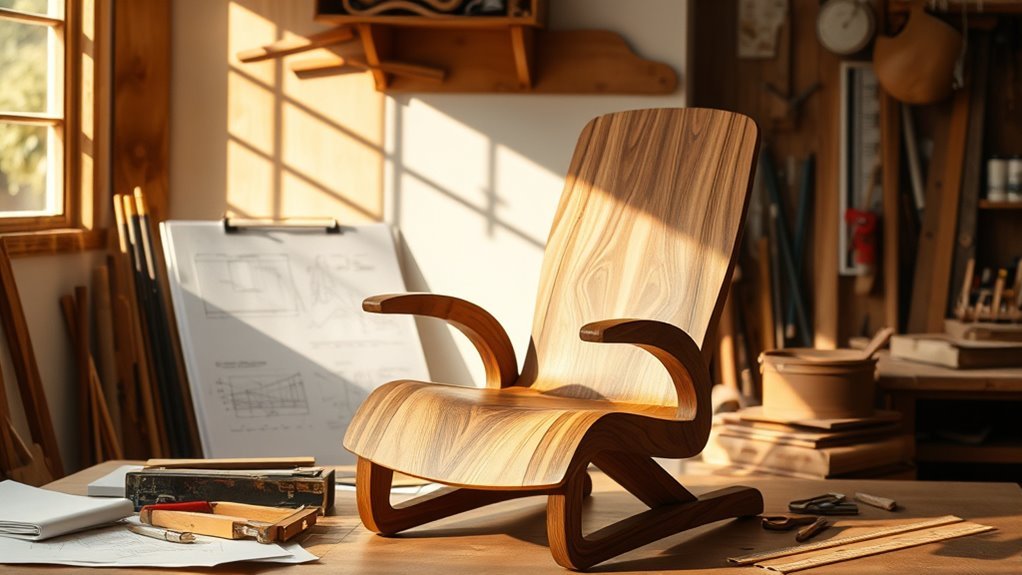
When you create functional art, you start by pinpointing a practical need or daily activity that benefits from thoughtful design. This ensures your functional items serve real purposes while showcasing artistic intent.
Choose materials that balance durability with aesthetic design, such as wood or metal, to enhance practical utility. Employ craftsmanship techniques that merge visual appeal with usability, giving everyday objects a refined look and feel.
Select durable materials like wood or metal and craft with artistry to blend beauty and function seamlessly.
Keep harmony, balance, and simplicity at the core to maintain cohesion between form and function.
- Identify a practical need for everyday objects
- Select high-quality, durable materials
- Apply skilled craftsmanship techniques
- Use texture, color, and lighting effects thoughtfully
- Prioritize harmony between artistic intent and utility
Frequently Asked Questions
Can You Give Me Five Examples of Functional Art Work?
You can create functional art through a handcrafted ceramic tea set, carved wooden chopping boards, mechanical clocks with exposed gears, modular natural material sofas, or marble-resin coffee tables—each blending utility with artistic design perfectly.
These pieces don’t just serve a purpose; they also bring aesthetic value to everyday life. It’s like having art that you can actually use and enjoy regularly.
What Does Functional Art Mean?
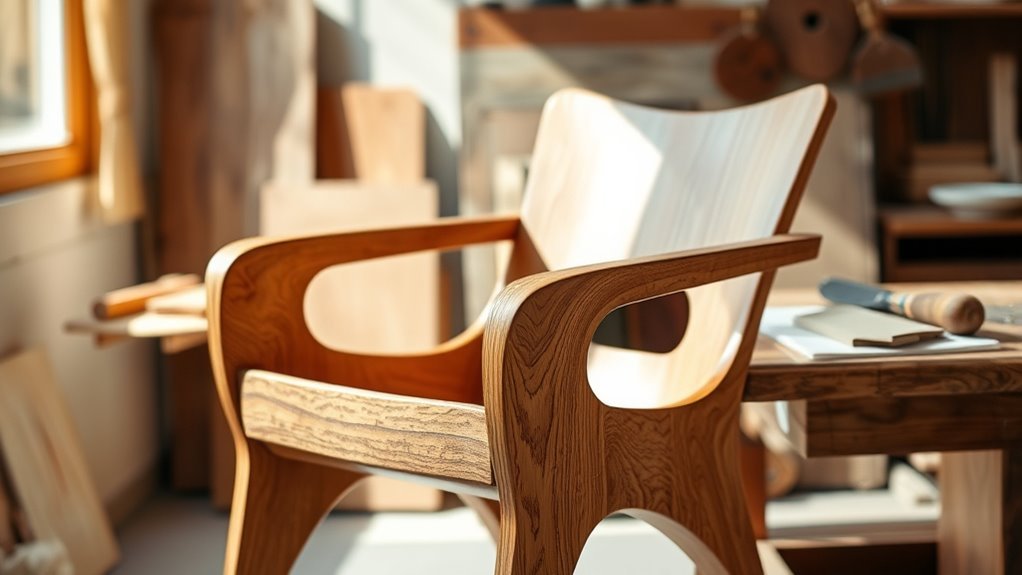
Think of a beautifully crafted chair you actually want to use—functional art means creating objects that blend beauty with purpose.
You’ll design pieces that serve daily needs while showcasing artistic creativity and craftsmanship.
It’s all about making things that aren’t just pretty to look at but also genuinely useful in everyday life.
What Are Some Examples of Directly Functional Art?
You’ll find functional art in wooden cutting boards, ceramic tea sets, stone mortars, manual coffee grinders, mechanical clocks with visible gears, and modular sofas.
These pieces serve practical purposes while adding artistic flair to your space. It’s like getting the best of both worlds—useful and beautiful.
What Is the Difference Between Functional and Non-Functional Art?
You’ll notice functional art serves a practical purpose and looks good, while non-functional art focuses purely on visual or emotional impact without utility.
You create functional pieces by blending usability with artistic design. It’s all about making something that works and looks great at the same time.
Conclusion
Creating functional art is like blending beauty and purpose seamlessly, much like a well-tuned instrument producing both melody and rhythm. When you design with intention, you don’t just make something attractive—you craft pieces that improve daily life.
Remember to balance aesthetics with usability, and let your creativity guide you. By doing this, you’ll turn ordinary objects into extraordinary works that serve and inspire.
Functional art brings together art and utility, transforming everyday items into meaningful creations. It’s about making art that people can use and appreciate every day. So, keep experimenting and let your passion for both form and function shine through in your work. That’s how you make your functional art truly come alive.