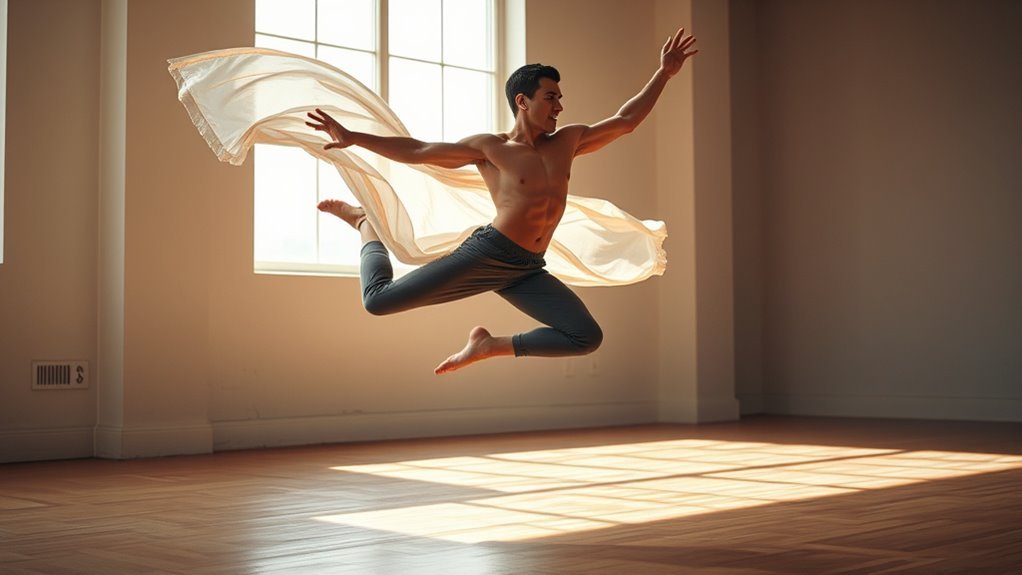
What Makes Dance a Sport or Art?
When you dance, you’re mixing intense physical effort with creative expression. Dance requires athletic skills like strength, endurance, and coordination—just like sports such as gymnastics.
But it’s not only about physical ability; dance also conveys emotion, tells stories, and shows off artistic creativity.
Because dance blends these athletic and artistic parts, it’s often called an “artistic sport.”
So, is dance more sport or art? Well, it really depends on what you value more: the physical challenge or the emotional expression.
Take a closer look, and you’ll see how dance strikes an amazing balance between these two worlds.
It’s this blend that makes dance so unique and fascinating to explore.
Key Takeaways
- Dance requires athletic strength, endurance, and high-intensity physical effort similar to traditional sports like gymnastics and figure skating.
- But it also emphasizes expressive movement, emotional storytelling, and creative originality, which really highlights its artistic nature.
- Dance uniquely blends physical rigor with emotional expression, creating a hybrid form often called “artistic sport.”
- The whole debate about whether dance is a sport or art really hinges on balancing its physical demands against its cultural and emotional significance.
- Many people see dance as a fusion of both sport and art, reflecting competitive athleticism alongside performance creativity.
Defining the Athletic and Artistic Elements of Dance
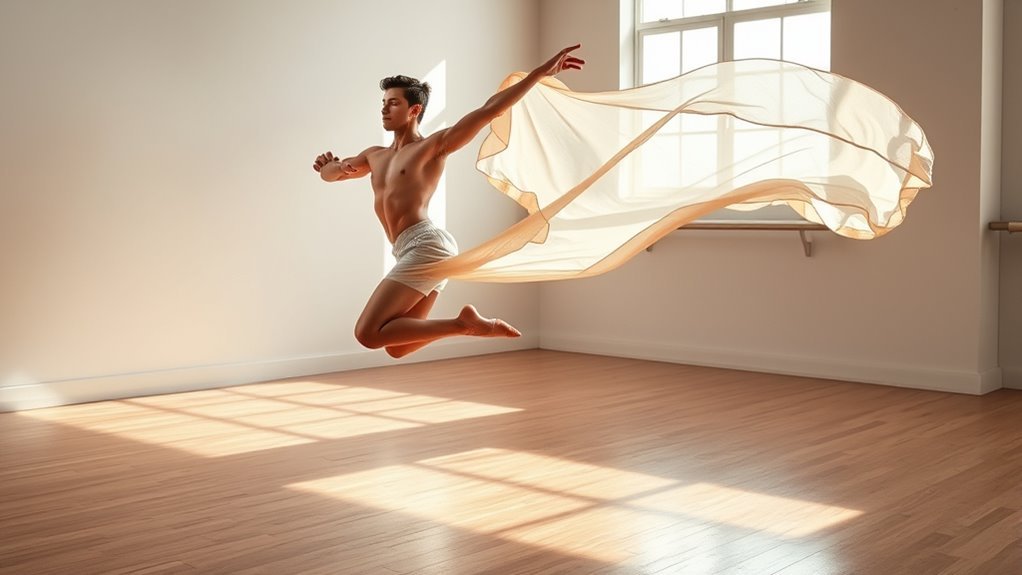
Although many people see dance as purely an art form, it demands the same physical strength, endurance, and skill as traditional sports. When you dance, you engage in an athletic activity requiring muscular power and stamina, especially in styles involving acrobatics and complex choreography.
Dance combines art with athleticism, demanding strength, endurance, and skill like traditional sports.
But dance isn’t just about physical effort. Its artistic side shines through expressive movement, storytelling, and emotional expression.
In performances and competitions, judges look beyond technical skill to evaluate creativity, originality, and emotional impact. This blend of athleticism and artistry makes dance unique.
You’re not only showcasing physical strength but also conveying deep feelings and narratives, making each performance a powerful combination of sport and art that captivates audiences and challenges your abilities on multiple levels.
The Debate Over Dance’s Classification: Sport, Art, or Both?
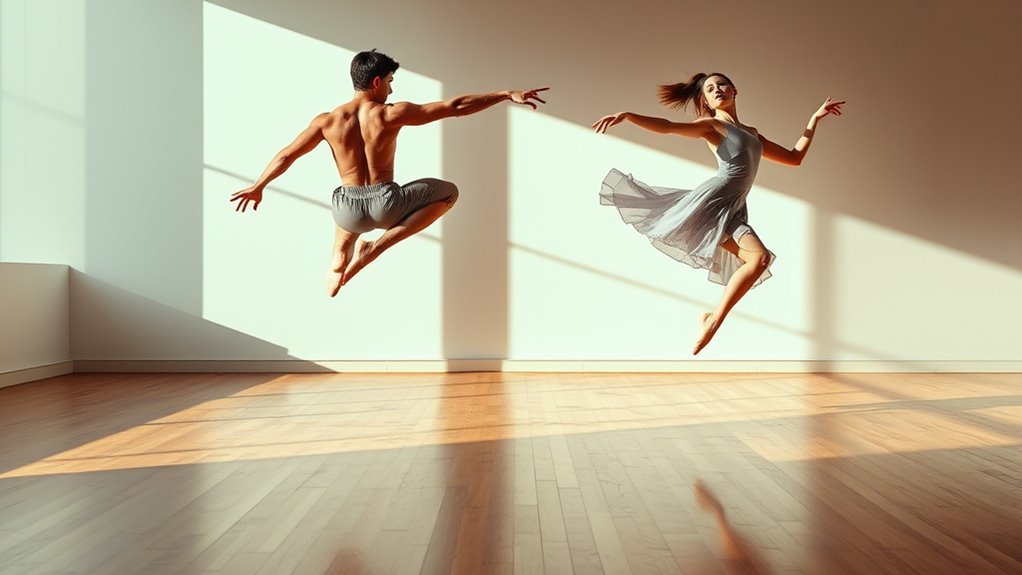
How do you define dance: as a sport, an art, or a blend of both? This debate centers on whether dance’s intense physical activity and athleticism qualify it as a sport or if its focus on artistic expression sets it apart as an art form.
You’ll find supporters emphasizing the rigorous training, endurance, and competitive aspects, comparing dance to gymnastics or figure skating. Meanwhile, critics highlight its storytelling and creative expression, key to its identity as an art form.
Many dancers see dance as a hybrid, merging athleticism with performance and expression, coining terms like “artistic sport.” Whether you lean toward sport, art, or both depends on how you weigh dance’s physical demands against its cultural and expressive significance.
Frequently Asked Questions
Is Dance Considered Art or Sport?
Dance is both art and sport. You express creativity and emotion through movement while pushing your physical limits.
You don’t just compete; you also tell stories, blending athleticism with artistic expression in every performance. It’s pretty cool how it combines both worlds, right?
What Qualifies Dance as a Sport?
Think of dance as a high-speed race where your body is the engine. You qualify dance as a sport because you train rigorously, master technical moves, and compete with precision and athleticism, just like any athlete does.
It’s not just about moving to music—it’s about discipline and skill. Plus, the competitive element really puts it in the same league as other sports.
Why Is Dance Considered a Sport?
You consider dance a sport because it demands intense physical training, endurance, strength, and precision, just like athletes.
You compete, get judged on skill and performance, and push your body to excel, proving its athletic nature.
Why Isn’t Dance Considered a Sport?
You might be surprised that dancers burn up to 500 calories an hour. Yet, dance isn’t considered a sport because it focuses more on artistic expression and storytelling.
It’s less about competition and standardized rules like you see in traditional sports. So, while it’s definitely physically demanding, the emphasis is different.
Conclusion
When you watch dance, you’ll see it’s a beautiful mix of sweat and soul—both sport and art intertwined. You can’t separate the intense physical challenge from the creative expression that brings it to life.
So, whether you lace up your shoes to compete or perform to inspire, dance moves beyond labels. It’s a living poem written with your body, proving that sometimes the best things don’t fit neatly into just one box.
Dance is unique because it blends the discipline and athleticism of sport with the emotion and creativity of art. This powerful combination makes dance a dynamic form of expression that engages both the body and the mind. In the end, what makes dance special is how it captures the spirit of both sport and art, showing us that movement can be both a physical feat and a beautiful story told through the body.